
A year ago, if you told someone you were “learning to talk to AI for a living,” you’d probably get a confused look back. Now, becoming an AI prompt specialist is a real job title on LinkedIn, a real line item in startup budgets, and a genuinely valuable skill, one that’s quietly becoming as useful as knowing Excel was a decade ago.
This guide walks through exactly what the role involves and the seven concrete steps to actually break into it, because most articles on this topic either oversell it (“six figures in six weeks!”) or undersell it (“just type nicely into ChatGPT”). Neither is true. It’s a real, learnable discipline with a genuine learning curve, and like any skill worth having, it rewards deliberate practice far more than shortcuts.
What makes this moment interesting is timing. Companies across nearly every industry are racing to add AI features to their products, but very few people inside those companies actually know how to make an AI system behave reliably. That gap between demand and available talent is exactly why this career path has opened up so quickly, and why it’s still realistic to break in without years of prior experience.
What an AI Prompt Specialist Actually Does
Strip away the job title, and the work of an AI prompt specialist comes down to one thing: figuring out how to get consistent, reliable, useful output from an AI system, then documenting that process so other people, or other systems, can repeat it reliably.
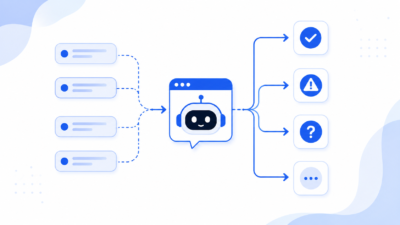
That sounds simple until you’ve tried it for something real. Getting a chatbot to write a decent poem is easy. Getting an AI system to consistently classify thousands of customer support tickets the same way, every single time, without drifting into strange edge cases, is a completely different problem. That’s the actual job of an AI prompt specialist.
In practice, this role involves designing prompt templates an entire team or product will rely on, testing how a model behaves across dozens of edge cases before anything ships, writing the instructions sitting behind an AI feature in an app, and troubleshooting why an AI tool keeps giving inconsistent or unsafe answers. It’s part writing, part logic, part QA testing. If you’ve ever debugged a spreadsheet formula that almost worked, you already have a taste of the mindset this work requires.
Do You Need a Technical Background to Become an AI Prompt Specialist?
Not necessarily, and this is the part that surprises most people. You don’t need to know how to code to succeed as an AI prompt specialist. What you actually need is closer to what a good editor, lawyer, or teacher already has: the ability to be extremely precise with language, anticipate how something could be misread, and think several steps ahead about what could go wrong.
That said, a little technical comfort helps. You don’t need to build a neural network from scratch, but understanding roughly how large language models work, why they hallucinate, why they’re sensitive to phrasing, and what a “context window” even means, will save you a lot of trial and error. Think of it the way a good mechanic understands combustion even without designing the engine themselves.
Step 1: Learn How Language Models Actually Behave
Before writing a single prompt professionally, spend real time simply using AI tools daily for genuinely hard tasks, not casual chatting. Give yourself a difficult challenge, like getting an AI to summarize a messy legal document accurately, or generating consistent product descriptions across 50 wildly different products, and pay close attention to exactly where it breaks.
That friction is where the real learning happens. You’ll start noticing patterns: which phrasings cause confusion, which instructions get ignored, and which small wording changes completely shift the output. This hands-on intuition is the foundation every successful AI prompt specialist builds everything else on top of.
Step 2: Master Precision Writing
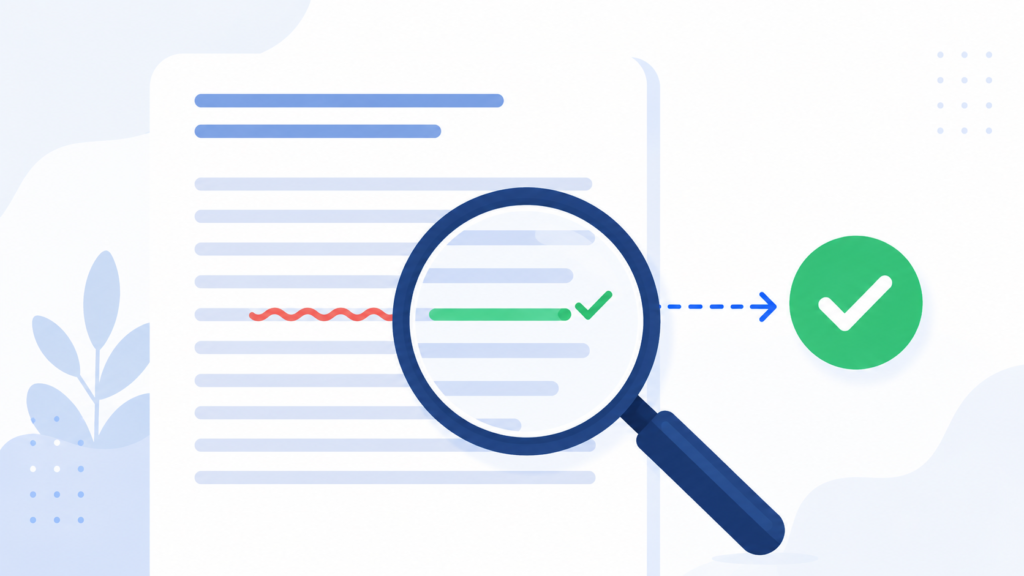
This is the single most underrated skill for anyone pursuing this career. AI models respond to ambiguity by guessing, and those guesses are often wrong in ways that are hard to predict. Learning to write instructions that leave zero room for misinterpretation makes up roughly 70% of the job.
Practice rewriting vague instructions into airtight ones. Instead of “summarize this politely,” try specifying tone, length, format, and what to explicitly exclude. The tighter and more specific your language, the more reliable your results become, and reliability is exactly what makes an AI prompt specialist valuable to hire.
Step 3: Build a Habit of Systematic Testing
Anyone can write one good prompt. The real skill separating a professional AI prompt specialist from a hobbyist is writing a prompt that still works when someone feeds it a weird, unexpected, or even adversarial input.
Get comfortable building small test sets, five to ten varied examples per prompt, and running the same prompt against all of them before you trust it. Track what breaks, tweak the wording, and re-test. This systematic loop is what turns a lucky one-off prompt into a dependable, production-ready system.
Step 4: Develop Real Domain Knowledge
An AI prompt specialist working in healthcare needs to understand healthcare. One working in legal tech needs to understand legal workflows. The AI part is actually the easier half; the harder half is knowing enough about the real industry to recognize what a “correct” answer even looks like.
Pick a domain you already understand well, whether that’s marketing, customer support, finance, or education, and specialize there first. Domain fluency lets you catch subtle errors a purely technical person would completely miss, and it makes your prompting work immediately more valuable to employers in that space.
Step 5: Study Proven Prompting Techniques
Once you have hands-on instinct, layer in documented prompting techniques and actually test each one yourself rather than just reading about it. A few worth mastering include few-shot examples (showing the model sample inputs and outputs), chain-of-thought prompting (asking the model to reason step by step), role-based framing (assigning the model a specific persona or expertise), and structured output formatting (forcing consistent, parseable responses).
Reading about a technique and using it enough times to develop real intuition for when it helps are two very different things. Apply each technique to your own test cases from Step 3 and compare the results directly.
Step 6: Build a Portfolio, Not Just a Resume
This is where most aspiring AI prompt specialists stall out, and it’s the part that actually gets people hired. Nobody trusts “I’m good at prompting” written on a resume. You need something concrete they can actually look at.
A strong portfolio might include a documented before-and-after of a prompt you improved, with a clear explanation of what was failing and why your fix worked. It could include a small project where you built a working prompt template for a real or hypothetical business use case, like a customer support triage system, along with your test results. It might also include a short case study showing how you handled a tricky edge case that kept breaking the output.
The goal isn’t to impress people with jargon. It’s to demonstrate that you think methodically, test rigorously, and can explain your reasoning clearly. That combination is genuinely rare, and it’s exactly what companies hiring an AI prompt specialist are struggling to find.
Step 7: Find Where AI Prompt Specialist Jobs Actually Live
AI prompt specialist work rarely shows up as a single, clean job title just yet. It’s often folded into roles like AI product manager, conversation designer, AI trainer, applied AI engineer, or even customer experience roles at companies building AI-powered products.
Startups building AI features are some of the most active hirers, since they need someone who can turn a vague product idea into a prompt that behaves reliably in production. A lot of this work also happens as freelance or contract engagements right now, since companies experimenting with AI features often need short, focused help before committing to a full-time hire. That’s a genuinely good entry point if you’re still building your portfolio.
Link out to OpenAI’s prompt engineering guide when discussing prompting techniques
A Realistic Timeline
If you’re starting from zero, expect a few months of genuinely hands-on practice before you’re doing work you’d feel confident showing someone. That’s not a discouraging timeline; it’s actually fast compared to most technical careers.
The people who move quickest as an aspiring AI prompt specialist aren’t necessarily the most technical, they’re the ones who treat every failed prompt as data instead of a dead end, and who keep a running record of what worked, what didn’t, and why. This isn’t a field where credentials matter as much as evidence. If you can show, clearly and specifically, that you know how to get reliable results out of an AI system, you’re already ahead of most applicants. How to Create Funny StickBuzz Videos
Frequently Asked Questions About Becoming an AI Prompt Specialist
Is AI prompt specialist a real, hireable job title? It’s becoming one, though right now it’s more commonly folded into titles like AI product manager, conversation designer, or applied AI engineer. The skill set is real and increasingly in demand even when the exact title varies from company to company.
How long does it take to become an AI prompt specialist? Most people can build genuinely showable skills within a few months of consistent, hands-on practice. What matters far more than the calendar is how many real prompts you’ve tested, broken, and fixed along the way.
Do I need a computer science degree to become an AI prompt specialist? No. This is one of the more accessible paths into the AI economy precisely because it rewards precise writing and systematic testing over formal technical credentials. A strong portfolio matters far more than a diploma.
What’s the biggest mistake beginners make when trying to become an AI prompt specialist? Treating prompting as a collection of clever tricks instead of a discipline. The specialists who actually get hired are the ones who test systematically, document their reasoning, and can explain exactly why a prompt works, not just that it happens to work once.
Can I become an AI prompt specialist while working a different full-time job? Yes, and many people do exactly that. Since the core practice involves testing prompts on real problems, you can build skills and a portfolio in the evenings or on weekends before making any career switch.
Final Thoughts
Becoming a successful AI prompt specialist isn’t about memorizing clever tricks or collecting a library of “magic phrases.” It’s a genuine skill built on precise writing, systematic testing, and real domain knowledge, the same qualities that have made good editors, analysts, and QA specialists valuable for years, just pointed at a new kind of tool.
If you’re willing to put in real, hands-on hours testing and breaking prompts rather than just reading about them, this is one of the more accessible paths into the AI economy right now, no computer science degree required. Start with Step 1 today, and give yourself three months of consistent practice before judging whether this career path is right for you.